

A healthier mouth. A more comfortable life.
Dental Care
Prevent tooth decay, gum disease, and other serious health issues by routinely getting your pet's teeth cleaned.

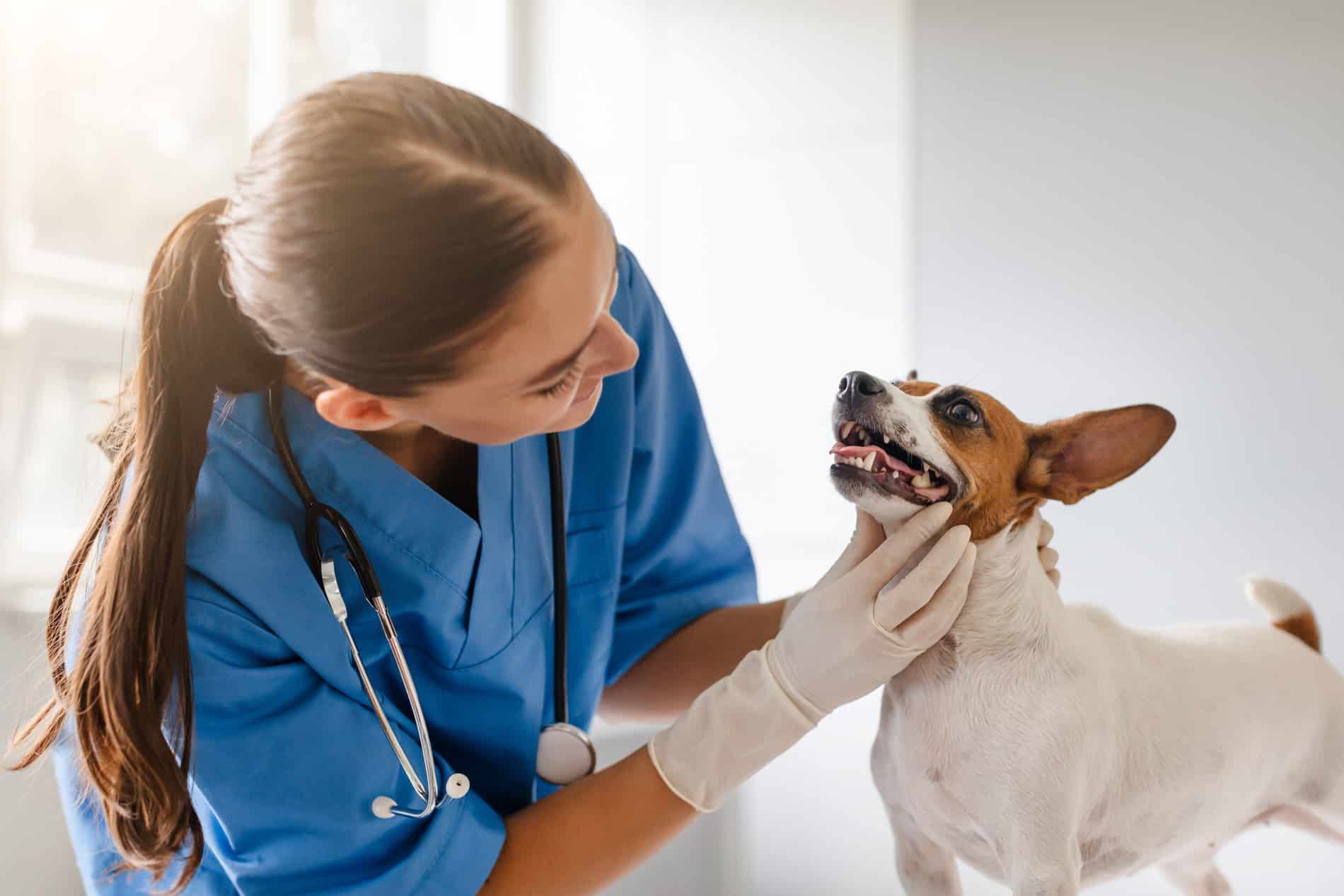
.jpg)
Bad breath, chewing changes, or a loose tooth can be signs of a problem beneath the gumline. A complete evaluation helps us understand what is causing discomfort and what treatment may help.
Book Online
Dental disease can cause pain and discomfort, even if your pet eats normally.
A dental visit begins with an awake oral examination and a conversation about what you have noticed at home. Bad breath, dropping food, chewing on one side, pawing at the mouth, swelling, bleeding, or reduced interest in toys can all deserve attention.
Some pets continue eating despite significant dental pain, so routine oral assessment matters even when there are no obvious symptoms.
Some pets continue eating despite significant dental pain, so routine oral assessment matters even when there are no obvious symptoms.
A complete dental procedure is performed under anesthesia because much of dental disease is hidden below the gumline. Anesthesia allows the team to examine the mouth carefully, protect the airway, clean above and below the gumline, obtain dental images when indicated, and treat painful or damaged teeth without forcing an awake pet to tolerate frightening or uncomfortable handling.

"They explained treatment clearly, kept us updated, and made the recovery plan easy to follow.”
Client Testimonial
Appointments are limited.
Book now to secure your spot.
experts in veterinary care
Frequently Asked Questions
Why does a complete dental procedure require anesthesia?

Anesthesia allows a thorough examination and cleaning below the gumline, dental imaging when indicated, airway protection, and treatment of painful or damaged teeth. It prevents an awake pet from being forced to tolerate painful or frightening handling.
Why might the final treatment differ from the original estimate?
Some dental disease becomes visible only after imaging and a complete anesthetized examination. We will explain the initial plan, how additional findings will be communicated, and what authorization is needed before further treatment.
How can I tell whether my pet has dental pain?
Possible signs include bad breath, chewing changes, dropping food, pawing at the mouth, bleeding, swelling, reduced interest in toys, or behavior changes. Some pets continue eating even when their mouths hurt.
How often does my pet need a professional dental cleaning?
There is no single schedule for every pet. Recommendations depend on the oral examination, age, species, breed-related risk, home care, previous dental disease, and findings beneath the gumline.
book an appointment
Here when you need us.
Schedule online in minutes, or call or text to speak with our team. Same-day appointments are often available for pets who need to be seen sooner.


