
surgery
Only the best for your pet.
Our highly-skilled, caring vets go above and beyond to ensure your pet is safe and comfortable throughout the process.

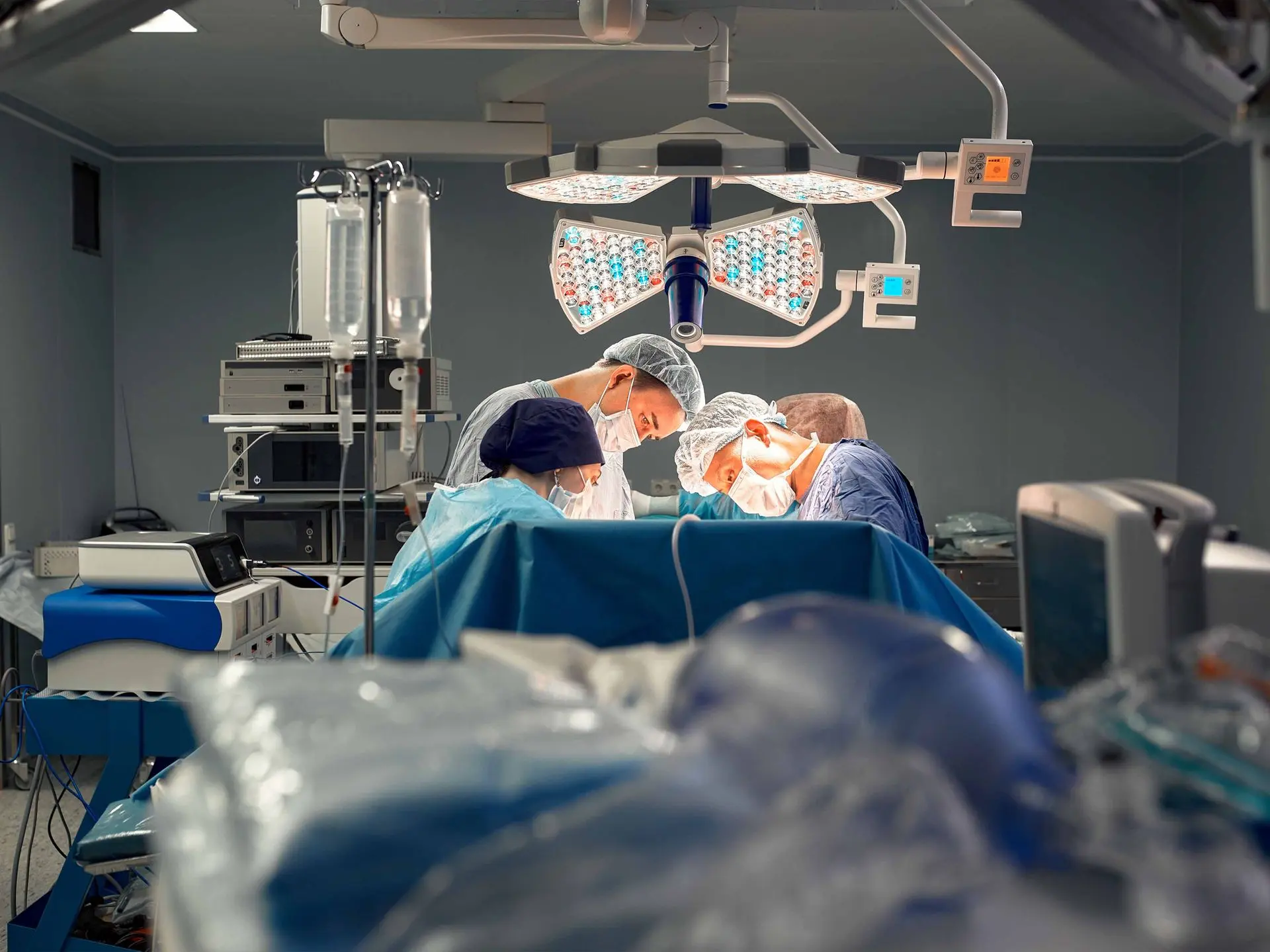
Brook Farm approaches every surgical procedure with careful preparation, attentive monitoring, pain management, and clear communication.
answers before assumptions
Mass Removal Surgery
Not every mass needs to be removed, but every new or changing lump deserves a closer look. During a mass evaluation, we consider its size, location, texture, growth pattern, and how it affects your pet. We may recommend measuring and monitoring it, collecting a small sample, performing a biopsy, or planning surgical removal.
When removal is recommended, the anesthetic approach depends on the mass, procedure, location, and individual patient. Sedation or general anesthesia helps prevent sudden movement, reduces fear, anxiety, and stress, and allows us to control pain while working carefully around the surrounding tissue.
After surgery, we may recommend submitting the tissue to a laboratory for histopathology. A veterinary pathologist examines the tissue under a microscope to help identify the mass and evaluate characteristics that may affect follow-up care.
When removal is recommended, the anesthetic approach depends on the mass, procedure, location, and individual patient. Sedation or general anesthesia helps prevent sudden movement, reduces fear, anxiety, and stress, and allows us to control pain while working carefully around the surrounding tissue.
After surgery, we may recommend submitting the tissue to a laboratory for histopathology. A veterinary pathologist examines the tissue under a microscope to help identify the mass and evaluate characteristics that may affect follow-up care.
Reduce risk later in life
Spays and Neuters
Spay and neuter recommendations should reflect the individual pet. We consider age, species, breed, size, health, lifestyle, reproductive status, and known medical risks when discussing whether and when surgery makes sense.
Before surgery, Brook Farm will examine your pet, review their history, and discuss recommended pre-anesthetic testing. You will receive fasting and medication instructions, an estimate, and a clear explanation of the procedure and expected recovery.
During surgery, trained team members monitor anesthesia and vital signs using the equipment and protocols appropriate for the patient. Pain control, warming, and recovery support are built into the plan. When your pet goes home, we will review medication, food, activity restrictions, incision care, warning signs, and follow-up.
Before surgery, Brook Farm will examine your pet, review their history, and discuss recommended pre-anesthetic testing. You will receive fasting and medication instructions, an estimate, and a clear explanation of the procedure and expected recovery.
During surgery, trained team members monitor anesthesia and vital signs using the equipment and protocols appropriate for the patient. Pain control, warming, and recovery support are built into the plan. When your pet goes home, we will review medication, food, activity restrictions, incision care, warning signs, and follow-up.
moving forward more comfortably
Orthopedic Surgery
Orthopedic problems affect bones, joints, ligaments, tendons, and the way a pet moves. Limping, stiffness, reluctance to jump, difficulty rising, reduced activity, or pain after an injury may signal a problem that deserves evaluation.
The first step is understanding what is causing the mobility change. Depending on the concern, that may involve a physical and orthopedic examination, gait assessment, X-rays, laboratory testing, or additional imaging. We will explain what the findings mean and whether rest, medication, rehabilitation, monitoring, or surgery may be appropriate.
When orthopedic surgery is recommended, the plan is shaped around the injury, patient, procedure, surgeon availability, equipment needs, and expected recovery. We will discuss the goal of surgery, potential risks, estimate, anesthesia, pain control, activity restrictions, rechecks, and the support your pet may need at home.
Recovery is part of the procedure, not an afterthought. We will give you a practical plan for medication, movement, confinement, incision care, rehabilitation when appropriate, and the changes that should prompt a call.
The first step is understanding what is causing the mobility change. Depending on the concern, that may involve a physical and orthopedic examination, gait assessment, X-rays, laboratory testing, or additional imaging. We will explain what the findings mean and whether rest, medication, rehabilitation, monitoring, or surgery may be appropriate.
When orthopedic surgery is recommended, the plan is shaped around the injury, patient, procedure, surgeon availability, equipment needs, and expected recovery. We will discuss the goal of surgery, potential risks, estimate, anesthesia, pain control, activity restrictions, rechecks, and the support your pet may need at home.
Recovery is part of the procedure, not an afterthought. We will give you a practical plan for medication, movement, confinement, incision care, rehabilitation when appropriate, and the changes that should prompt a call.
Complex care, clearly coodinated
Specialty Surgery
Some conditions require a procedure, equipment, or level of surgical experience beyond a routine operation. Brook Farm offers selected specialty surgical care based on the diagnosis, patient, procedure, surgeon availability, hospital capabilities, and recovery needs.
The process begins with a consultation and review of your pet’s history, examination findings, laboratory results, and imaging. If more information is needed before surgery, we will explain which testing may change the plan. You will know what is being recommended, why it may help, and what alternatives should be considered.
When a procedure can be performed at Brook Farm, our team coordinates preparation, anesthesia, communication, pain control, discharge, and follow-up. If an emergency or specialty hospital offers the safer setting, equipment, or support for your pet’s needs, we will explain that recommendation and help coordinate the next step.
The process begins with a consultation and review of your pet’s history, examination findings, laboratory results, and imaging. If more information is needed before surgery, we will explain which testing may change the plan. You will know what is being recommended, why it may help, and what alternatives should be considered.
When a procedure can be performed at Brook Farm, our team coordinates preparation, anesthesia, communication, pain control, discharge, and follow-up. If an emergency or specialty hospital offers the safer setting, equipment, or support for your pet’s needs, we will explain that recommendation and help coordinate the next step.
Comprehensive & Compassionate Surgical Care
When your pet needs surgery, unanswered questions can make the decision feel even harder. We explain the recommendation, preparation, estimate, monitoring, pain-control plan, and expected recovery before moving forward. Book a surgical consultation online to discuss your pet’s needs and next steps.
Every surgical plan begins with the individual patient. Before the procedure, we review your pet’s medical history, examination findings, recommended pre-anesthetic testing, medications, fasting instructions, expected benefits, and potential risks. You will receive an estimate and an opportunity to ask questions before giving consent.
Every surgical plan begins with the individual patient. Before the procedure, we review your pet’s medical history, examination findings, recommended pre-anesthetic testing, medications, fasting instructions, expected benefits, and potential risks. You will receive an estimate and an opportunity to ask questions before giving consent.
During surgery, trained team members monitor anesthesia and vital signs using the equipment and protocols appropriate for the patient and procedure. Afterward, we will update you when your pet is recovering and provide practical instructions for medication, food, activity, incision care, warning signs, and follow-up. If recovery does not look the way we described, we want you to contact us.

As an AAHA-accredited practice, we achieve the highest standards in surgical care.
Client Testimonial
Appointments are limited.
Book now to secure your spot.
experts in veterinary care
Frequently Asked Questions
What happens before my pet’s surgery?

We confirm why surgery is recommended, review the estimate, provide fasting and medication instructions, and discuss recommended pre-anesthetic testing. The plan depends on your pet’s age, health, history, and procedure.
How is my pet monitored during anesthesia?
Monitoring is tailored to the patient and procedure. It may include heart rate and rhythm, oxygenation, blood pressure, temperature, ventilation, and other measures, with a trained team member assigned to monitoring and documentation.
When will my pet go home?
Discharge timing depends on the procedure, recovery, pain control, and your pet’s condition. We will contact you with an update and review the home-care plan before discharge.
What should I do if recovery does not look right?
Call Brook Farm if you are concerned about pain, bleeding, swelling, breathing, appetite, behavior, vomiting, medication, or the incision. Severe or rapidly worsening symptoms may require immediate care at a 24-hour emergency hospital.
book an appointment
Here when you need us.
Schedule online in minutes, or call or text to speak with our team. Same-day appointments are often available for pets who need to be seen sooner.


